


Welfare and Sustainability Systems for Poultry Transport
Poultry transport represents a crucial link in the poultry industry, with a dual focus on production efficiency and animal welfare, as well as environmental sustainability.

Poultry transport represents a crucial link in the poultry industry supply chain, with a dual focus on production efficiency and animal welfare, as well as environmental sustainability.
In response to growing concerns about animal welfare and sustainability, companies like Giordano Global are implementing innovative systems that not only meet quality standards but also promote more efficient and responsible poultry farming.
Global poultry industry: a leading sector
The poultry industry is one of the fastest growing food production sectors in the world. In 2022, global poultry meat production reached approximately 134 million metric tons, and is expected to grow by 2.5% annually through 2030.
In 2024, the United States is forecast to be the world leader in chicken meat production with an estimated 21 million metric tons, followed by Brazil, China, and the European Union.
Conversely, global egg production was estimated at 1.6 trillion eggs in 2023, thereby reinforcing its status as a cornerstone source of protein in the diets of billions of people.
The growth in demand for poultry meat and eggs is driven by their nutritional value, versatility in the kitchen and lower environmental impact compared to other meats. As the poultry industry expands, it is essential to implement continuous improvements in poultry handling and transportation to meet market demands and comply with international animal welfare standards.
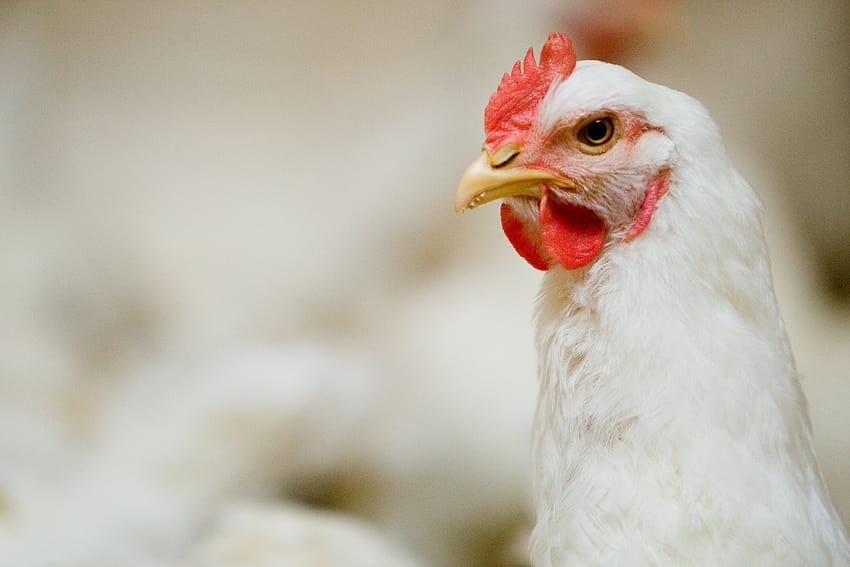
Figure 1. The poultry industry is a world leader in the livestock sector. Photo: pxfuel.com
Poultry Transport and Animal Welfare: Fundamental Principles
In the transport of production animals, including poultry, animal welfare is guided by international standards and principles that ensure the integrity and comfort of the animals. The five freedoms of animal welfare are among the most important guidelines to be observed.
- It is essential to guarantee that birds have sufficient access to water and a balanced diet in advance of transportation.
- Ensure that the birds are not subjected to discomfort. Provide a safe and ventilated environment with sufficient space for the birds to stand and adopt natural positions.
- Ensure that the birds are free from pain, injury and disease. Use transport equipment that avoids physical damage and minimizes the risk of infection.
- It is important to ensure that the birds are not subjected to any undue stress or fear. This can be achieved by implementing appropriate management techniques to minimize any potential causes of distress.
- It is important to allow sufficient space for birds to move freely and exhibit natural behaviors such as wing stretching.
It is recommended that transport systems be implemented which ensure adequate ventilation and bird safety in accordance with international standards.
Likewise, the poultry industry must consider aspects such as maximum movement times, temperature, humidity and regular breaks to ensure animal welfare. Compliance with these regulations not only enhances product quality but also reinforces ethical responsibility in poultry production.

Characteristics of poultry transport equipment
Poultry transport equipment must meet certain technical criteria to ensure the safety and productivity of the animals being transported. The following features are of particular importance:
- Ergonomic designs: Poultry transport equipment must provide sufficient space for poultry to move, which improves ventilation and reduces stress during transport. It is important to ensure that loading density is following local regulations to avoid the risk of overcrowding, which can lead to suffocation and injury.
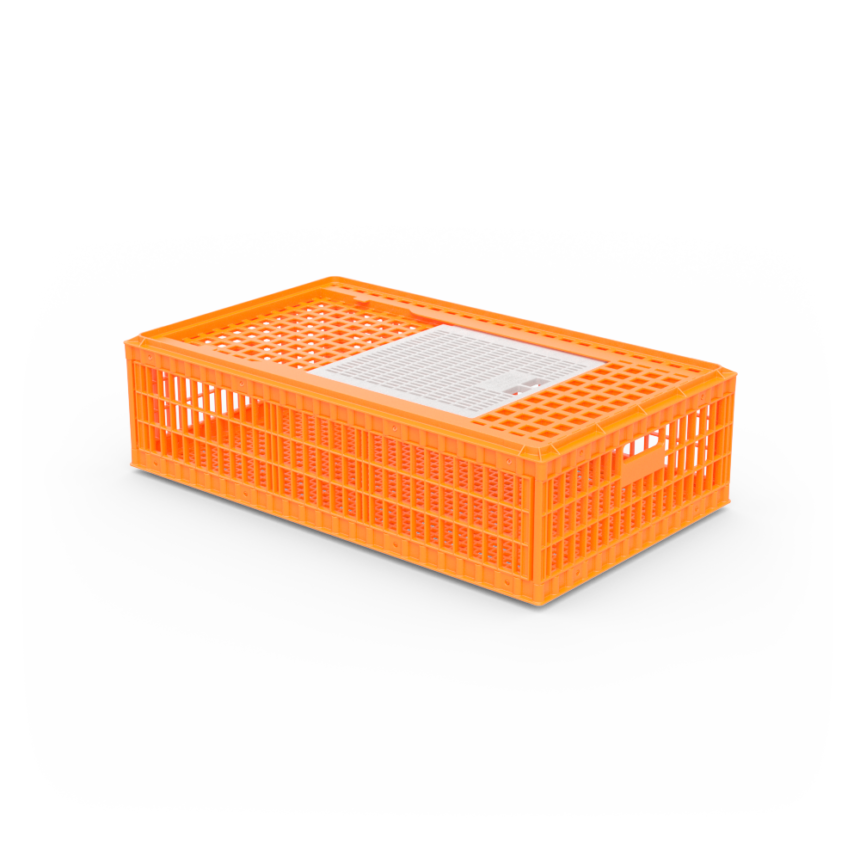
- The material used should be durable and non-toxic plastic. It is essential that poultry transport trays or crates are made of high-strength plastics that are resistant to wear, impact and temperature extremes. Furthermore, this plastic equipment is straightforward to clean and disinfect, which helps to prevent the spread of pathogens.
- Ease of access: Poultry transport systems must be designed for ease of handling and access, allowing for fast and safe loading and unloading of birds, while minimizing exposure and handling time of the animals.
- Poultry transport equipment be designed with advanced ventilation systems, including slots or grids, to maximize air flow inside the compartments. This will help to avoid heat stress in hot climates and hypothermia problems in cold climates.
Frequent pathologies during poultry transport
It is important to be aware that the transportation of birds, particularly over long distances, can result in a range of health issues due to stress and suboptimal conditions. The most common pathologies associated with poultry transportation are as follows:
- Heat stroke is a potential issue when birds are transported in conditions of poor ventilation or overcrowding. An increase in body temperature can result in dehydration, fatigue and, in severe cases, death. Due to their fast metabolism and body limitations in eliminating heat, birds are particularly susceptible to heat stress.
- Dehydration is a significant risk factor when birds are transported over extended periods in conditions of elevated temperature and lack of access to water. This can have a detrimental impact on their physical condition and meat quality.
- Injuries resulting from trauma: the use of unsuitable handling techniques, materials or transport crate design can cause fractures, contusions and open wounds, which not only affect the physical integrity of the birds but also the value of the product.
- Respiratory infections: inadequate ventilation or prolonged exposure to elevated ammonia levels, strong air currents and dust can cause respiratory issues in birds, increasing mortality during transport.
- Gastrointestinal dysmotility: Prolonged stress can cause digestive disturbances, which in turn affect nutrient absorption and increase the vulnerability of birds to gastrointestinal diseases.
It is essential to consider this type of pathology to implement effective prevention strategies and proper management. This approach helps to reduce transport-related mortality, keep product quality and ensure animal welfare.
Technological innovations for safer poultry transportation
It is essential that poultry transport equipment undergoes significant enhancements in both ergonomics and system sustainability. Furthermore, it must be equipped with intelligent technologies and efficient materials.
Their latest solutions include real-time monitoring systems that enable them to assess conditions during transport, such as temperature, humidity, and oxygen level. These advanced technologies help to maintain a controlled environment, thereby reducing the risk of bird mortality and stress.
It is also essential that poultry transport equipment is designed in such a way that it can be easily cleaned and disinfected, to reduce the risk of infectious diseases spreading throughout the production chain. This also ensures the safety of the final product by reducing the microbial load in transport environments.
Giordano Global is an Italian company that provides poultry transport equipment with designs that are straightforward to disassemble, clean and disinfect. Similarly, this industry-leading company in poultry farming is distinguished by the innovative manufacturing techniques applied to this equipment, which enhance hygiene, sustainability, and efficiency.
The high-quality materials used in the transport systems have antimicrobial properties and are resistant to the use of strong disinfectants, thereby ensuring a safer environment for both animals and personnel.
You also may be interested in: Giordano Global: the new image of Giordano Poultry Plast

Sustainability in poultry transport: How to achieve it?
The poultry industry is the most sustainable livestock industry. Several studies have demonstrated that poultry farming has a lower carbon footprint than other meat industries. This is due to the high feed conversion efficiency of poultry and their rapid growth cycle, which allows for more efficient use of resources.
It is imperative that the poultry industry transitions to cleaner technologies to achieve sustainability. The use of electric and alternative fuel vehicles is increasing as these options reduce carbon emissions during transport. Furthermore, optimizing routes and travel times not only reduces fuel consumption but also minimizes stress on the birds.
In this regard, Giordano Global is a leading sustainability player in the sector. The Italian company, renowned for its proficiency in the production of plastic equipment for poultry transportation, has adopted a range of strategies to minimize its environmental footprint.
From an environmental standpoint, Giordano Global utilizes high-quality recyclable plastics, thereby reducing the demand for new resources and enabling the reuse of these materials. This not only enhances the durability of its products, but also minimizes its carbon footprint.
Furthermore, Giordano Global has invested in the installation of solar panels at its manufacturing facilities, thereby generating a considerable proportion of the energy used on site and reducing emissions.
These developments ensure the quality of Giordano Global’s products while reinforcing its commitment to the environment. The company’s plastic recycling strategies, efficient manufacturing processes and clean energy management set an example for the global poultry industry.
Conclusion
The poultry industry must prioritize sustainability and animal welfare in poultry transport. Route optimization, the use of monitoring technologies and clean vehicles help to reduce emissions and minimize the environmental impact.
Furthermore, adherence to welfare standards, such as the five freedoms and international transport regulations, is essential for maintaining the integrity of the birds and the quality of the final product.
In this context, Giordano Global is a market leader in the provision of high-quality plastic equipment that meets the highest standards of durability and sustainability. By adopting solar panels and clean production processes, the Italian company is setting an example of environmental responsibility in the sector. Thanks to its initiatives, it not only improves transport efficiency, but also ensures proper and bird-friendly handling in line with industry standards.


CATEGORIES
- Antibiotics
- Antioxidants
- Aquaculture
- Deodorizer
- Digestives
- Dissemination
- Enzymes
- Events
- Farm management
- Farm management
- Fats
- Feeding
- Flavorings
- Immunostimulants
- Microbiocide
- Mycotoxins
- Nutritionals
- Pathology
- Pharmacology
- Poultry Farming
- Preservatives
- Pronutrients
- Ruminants
- Swine
- Technology
It may interest you
Viral respiratory diseases in poultry farming: How to prevent them with vaccination systems
Reduction of gases in pig farms: the role of natural additives in emission mitigation
Poultry Nutrition: the role of feed supply systems and their impact on sustainable production
Enterococcus cecorum: A Growing Challenge in Broiler Production

Biosecurity in egg handling: What recommendations to consider?
Leave a Reply
You must be logged in to post a comment.