


Poultry Nutrition: the role of feed supply systems and their impact on sustainable production
Poultry nutrition is a fundamental pillar in poultry production, as it directly influences growth, feed conversion, and the overall health of the flock.

Poultry nutrition is a fundamental pillar in poultry production, as it directly influences growth, feed conversion, and the overall health of the flock.
An efficient feed supply system ensures that birds receive the appropriate nutrients in the correct proportions, optimising production, reducing losses and enhancing profitability for producers. Furthermore, proper feed management contributes to more sustainable poultry production by minimising resource waste and reducing environmental impact.
A comprehensive feed management strategy for poultry farms must consider various factors, including feed quality and distribution method. A well-designed system prevents feed segregation, reduces excessive competition, and ensures that all birds have equitable access to a balanced diet.
The global importance of poultry nutrition cannot be overstated
Poultry production plays a critical role in global food security by providing high-quality protein in the form of meat and eggs.As demand for poultry products continues to grow, producers must focus on optimising feeding strategies to ensure sustainable and efficient production.
Appropriate poultry nutrition has been shown to enhance performance and feed conversion efficiency, as well as reducing the incidence of diseases related to nutritional deficiencies. Innovative technologies in feed formulation and supply have been demonstrated to improve nutrient digestibility and utilization, thereby minimising waste and environmental impact.
Modern feed supply systems in poultry farming have evolved significantly, incorporating automated devices that precisely dose feed quantities, preventing both overfeeding and underfeeding.This level of control allows diet adjustments based on the birds’ production stage, optimizing consumption and improving farm productivity indices.
Optimal poultry nutrition is paramount for ensuring optimal growth, reproduction and disease resistance. Any nutritional deficiency or imbalance can result in issues such as low body weight, reduced egg production and increased susceptibility to infectious diseases. To maximise poultry performance, several essential nutritional aspects must be considered:
- Adequate energy supply: Energy is fundamental for maintaining metabolic functions and daily activity. Common energy sources in poultry diets include corn and sorghum. The addition of fats to poultry diets can also provide energy and improve feed palatability.
- Proteins and amino acids are essential for muscle development and egg production, with soybean and fish meals being common protein sources in poultry diets.A proper supply of essential amino acids such as lysine and methionine is crucial to prevent nutritional deficiencies.
- Vitamins and minerals are vital for bone health, immune response, coagulation, and metabolic efficiency. Key minerals include calcium, phosphorus, and sodium, which are particularly important for laying hens due to their high mineral demand for egg production. Ensuring adequate calcium, phosphorus, magnesium, and vitamins A, D, and E is fundamental.
Proper management of these elements maximises zootechnical performance and ensures efficient and sustainable production in both broilers and laying hens. Depending on the type of bird and production system, diets should be adjusted by a professional to achieve the optimal nutritional balance.

Plastic equipment for poultry feed supply systems
The use of plastic equipment in poultry feeding has revolutionised the way in which feed is managed on farms. These devices offer significant advantages in terms of hygiene, durability, and efficiency.
- Durability and Ease of Cleaning: Plastic equipment resists corrosion and is easy to disinfect, reducing the proliferation of bacteria and fungi.
- Efficient Feed Distribution: Devices such as automatic feeders and hoppers enable precise dosing, minimizing feed waste.
- Cost-effectiveness: They are lighter and more economical compared to metal options, making them a cost-effective long-term investment.Automatic feed supply systems with plastic components have been shown to improve uniform feed intake, optimising production performance and bird health.
Sustainability in poultry farming
Sustainability is a key concern in modern poultry farming, and feed supply systems are directly linked to reducing the environmental impact of poultry production. Feed conversion efficiency affects both profitability and the use of natural resources such as water, land, and energy.
- Reduction of Feed Waste: Efficiently designed feed supply systems prevent unnecessary losses, decreasing the demand for feed production and lowering environmental burden.
- Responsible Use of Inputs: Selecting ingredients with a lower ecological footprint and utilizing agricultural by-products can enhance sustainability.
- Reduction of Gas Emissions: Well-balanced poultry nutrition reduces nitrogen and phosphorus excretion, decreasing soil and water pollution.
- Automation and Energy Efficiency: Modern feed supply systems are designed to optimise energy consumption, thereby reducing the carbon footprint of poultry production.
Implementing sustainable strategies in poultry nutrition is beneficial for both the environment and the industry’s reputation, while addressing consumer demands. The poultry industry is recognised for having the lowest water and carbon footprint among livestock production systems, including swine and cattle farming.
Key challenges in poultry nutrition
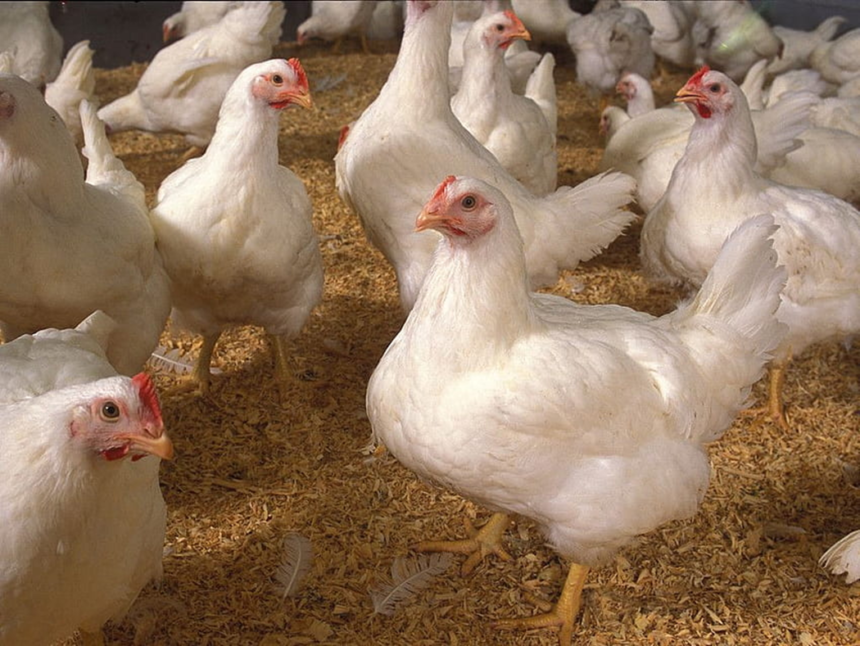
Poultry nutrition for laying hens, breeders, or broilers is a vital aspect of any production chain, with feeding costs accounting for between 60% and 70% of total poultry production expenses. Poor feed management can result in substantial economic losses and impact bird welfare through various issues affecting farm performance and profitability, including:
- Nutritional Deficiencies: An absence of essential nutrients can lead to metabolic diseases and growth problems. For instance, mineral deficiencies in laying hens can compromise egg production and bone health.
- Overfeeding and waste: Improper feed supply can lead to obesity in birds or resource wastage, causing weight imbalances and high variability within a flock. It may also lead to behavioural issues or injuries due to differences in weight and hierarchy among birds.
- Feed contamination: Low-quality ingredients or improper storage can expose birds to hazardous toxins. A major issue in the poultry industry is exposure to mycotoxins, which can have reproductive, metabolic, and immune effects on birds.
You also be interested in: How to improve poultry farm immunity with good equipment and vaccination practices?
Best practices in poultry nutrition
Implementing best practices in poultry nutrition and feed management is essential to avoid these issues and ensure optimal performance. To optimise feeding on poultry farms, it is recommended to:
- Use high-quality raw materials balanced by a professional according to nutritional requirements.
- Implement an automated feed supply system to enhance efficiency.
- Monitor growth and adjust rations according to birds’ age and production stage.
- Store feed under optimal conditions to prevent deterioration.
- Maintain strict hygiene in feed supply equipment to prevent contamination
Innovations in poultry nutrition with giordano equipment
Poultry systems must be designed to optimise all processes while ensuring the efficiency and effectiveness of inputs and products.
To meet the needs of the poultry industry, technological advancements in poultry nutrition have led to the development of efficient feed supply systems that guarantee adequate nutrient distribution.
Giordano, an Italian company with over fifty years of experience serving the global poultry industry, offers innovative solutions in poultry nutrition, renowned for their functional design and positive impact on production.
Among its key feed supply equipment are the Polyfeeder, Superdrop, Twist, and Manola B. The Polyfeeder is an automatic feeder for turkeys and waterfowl that, thanks to its modular design, adapts to different growth phases. Its highly resistant plastic structure allows precise feed flow regulation, optimising consumption and preventing waste.
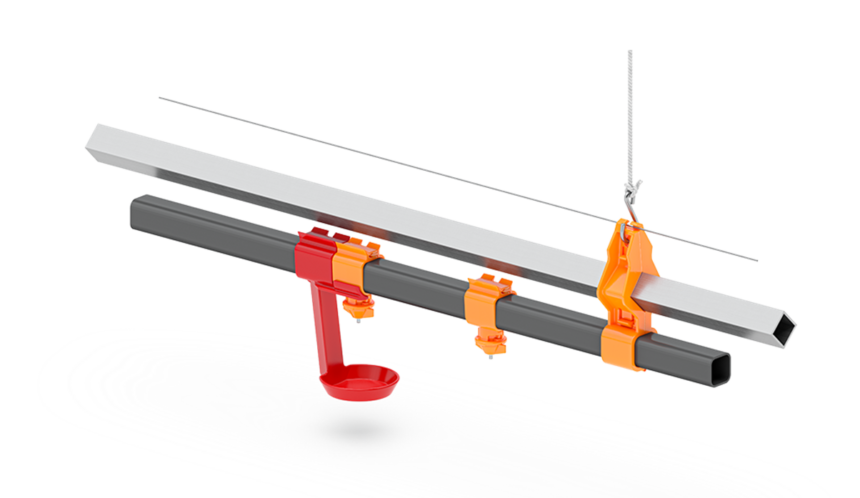
Additionally, the Superdrop watering system ensures a continuous supply of fresh water, minimising waste and preventing litter moisture, thereby reducing disease risk. Its design allows flow level adjustments according to the species, promoting a hygienic and efficient environment.
Giordano’s Twist feeder is the only fully automatic feeder in the world with a self-cleaning system that does not require disassembly. Its innovative design minimises feed loss and adjusts to birds’ growth stages, maximising feed conversion efficiency.
Finally, the Manola B is a manually or semi-automatically operated feeder, ideal for broiler and layer farming. Giordano has developed a version with a protective cover that shields feed from moisture and rain, ensuring consistent, high-quality feeding.
Conclusions
Efficient poultry nutrition management and feed delivery systems are key to achieving profitable and sustainable production. The use of advanced feed distribution technologies can improve feed conversion, reduce waste and optimise bird health.
Advanced equipment such as Polyfeeder, Superdrop, Twist and Manola B offer specialised solutions for different stages of the production cycle. From fully automated feeding systems to waste-free watering solutions, these devices ensure birds receive the right nutrients with the least amount of manual intervention, improving flock uniformity and reducing mortality.
Investing in poultry feeding technology not only improves production rates but also strengthens the sustainability of the sector by reducing the environmental impact of input waste.
Finally, in an increasingly demanding global market, adopting innovative poultry nutrition solutions is a competitive advantage that allows producers to guarantee the quality and efficiency of their processes.


CATEGORIES
- Antibiotics
- Antioxidants
- Aquaculture
- Deodorizer
- Digestives
- Dissemination
- Enzymes
- Events
- Farm management
- Farm management
- Fats
- Feeding
- Flavorings
- Immunostimulants
- Microbiocide
- Mycotoxins
- Nutritionals
- Pathology
- Pharmacology
- Poultry Farming
- Preservatives
- Pronutrients
- Ruminants
- Swine
- Technology
It may interest you
Viral respiratory diseases in poultry farming: How to prevent them with vaccination systems
Reduction of gases in pig farms: the role of natural additives in emission mitigation
Enterococcus cecorum: A Growing Challenge in Broiler Production

Biosecurity in egg handling: What recommendations to consider?
Cochlosoma in turkeys
Leave a Reply
You must be logged in to post a comment.