


Viral respiratory diseases in poultry farming: How to prevent them with vaccination systems
Viral respiratory diseases are a constant concern in poultry farming. Fortunately, there are systems for administering vaccines to prevent them.
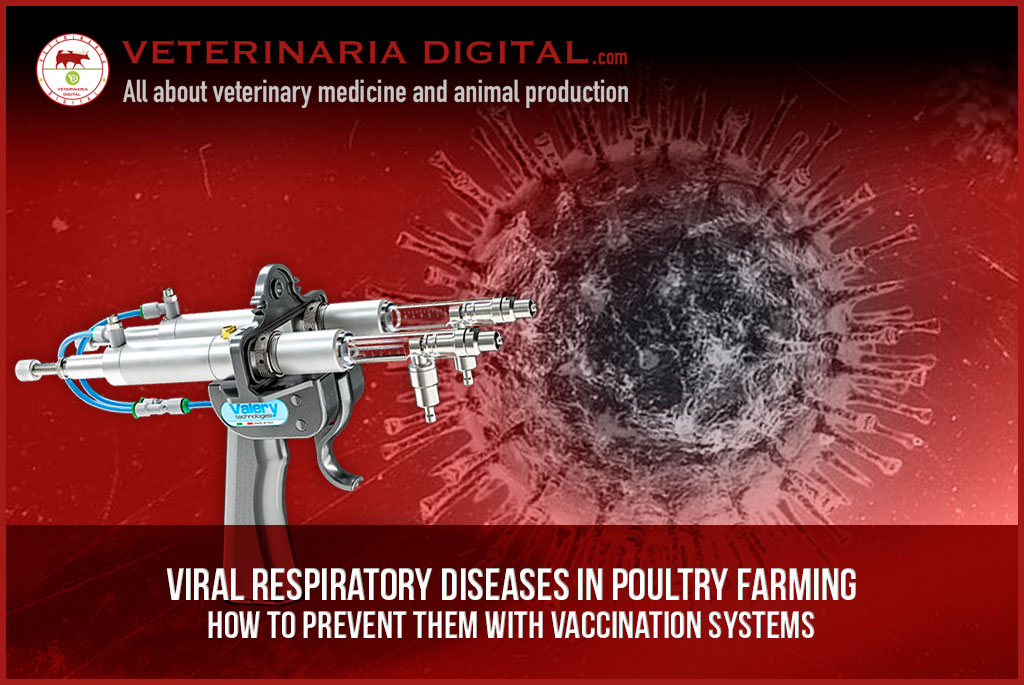
Viral respiratory diseases are a constant concern in poultry farming. Fortunately, there are systems for administering vaccines to prevent them.
Viral respiratory diseases in poultry: Why are they important?
Viral respiratory diseases are among the leading causes of economic losses in global poultry production. This group of diseases affects the productivity, welfare and biosecurity of production systems.
One of the most effective strategies to prevent outbreaks of respiratory diseases is vaccination. When properly applied, this tool generates protective immunity against various infectious agents without compromising the health of the birds.
To this end, companies such as Giordano have developed innovative methods of vaccine administration that contribute to the establishment of a robust, efficient and technologically optimized health plan.
Considerations regarding the Avian Respiratory System
The avian respiratory system has adaptations that allow birds to meet high oxygen demands, especially during flight. However, due to the phenotype of production birds that prevents flight, these same anatomical and physiological characteristics make them susceptible to respiratory infections under intensive production conditions.
On the one hand, unlike mammals, birds possess air sacs that act as air reservoirs and participate in a unidirectional pulmonary ventilation system. While this structure is efficient from a respiratory standpoint, it also facilitates the rapid spread of pathogens because air sacs lack effective local immune defense mechanisms.
On the other hand, factors such as high stocking density in poultry houses, poor ventilation, ammonia accumulation, dust and temperature variations contribute to respiratory stress and alter the epithelial and mucociliary defense mechanisms of the respiratory tract.
At the same time, deficiencies in vitamins A, E, and the B complex, as well as trace elements such as selenium and zinc, can compromise the integrity of the respiratory mucosa and the immune response.
It is important to emphasize that respiratory diseases are also significantly influenced by management practices such as transportation, poorly implemented vaccinations, and sudden environmental changes. These factors increase susceptibility to viral, bacterial, or mycoplasmal infections.

What viruses cause respiratory disease in poultry?
Infectious Bronchitis Virus (IBV)
Infectious bronchitis is a disease caused by an avian coronavirus (genus Gammacoronavirus). This virus affects the respiratory, renal, and reproductive tracts of birds. The clinical presentation varies depending on the age, immune status of the flock and the virus serotype involved.
Respiratory disease may present with sneezing, wet cough, nasal and ocular discharge, wheezing, and decreased activity. In laying hens, it can reduce egg production and affect both internal and shell quality.
In addition, Infectious Bronchitis Virus causes economic losses due to reduced production, growth retardation and condemnation in processing plants due to chronic respiratory lesions. Outbreaks caused by this virus can lead to immunosuppression, predisposing birds to bacterial infections.
Newcastle disease (ND)
Newcastle disease is caused by avian orthoavulavirus 1 (formerly paramyxovirus type 1), an RNA virus with multiple strains of varying virulence: lentogenic, mesogenic, and velogenic.
Clinical signs of Newcastle disease range from subclinical forms to acute mortality. It manifests with rales, dyspnea, torticollis, paralysis of the wings or legs, greenish diarrhea, and marked depression. It may combine neurologic, gastrointestinal, and respiratory symptoms.
This respiratory virus has been associated with significant mortality, decreased egg production, reduced feed intake, massive condemnations, and international health restrictions. Newcastle Disease can affect both vaccinated and unvaccinated birds when the strain exceeds immune coverage, requiring well planned vaccination schedules.
Infectious Laryngotracheitis (ILT)
Infectious laryngotracheitis is caused by Gallid herpesvirus 1, a herpesvirus that primarily affects laying hens or backyard birds in endemic areas. It has a high morbidity with severe respiratory signs characterized by severe coughing, blood sputum, open-beak wheezing and labored breathing due to the formation of tracheal pseudomembranes.
This disease seriously affects animal welfare, causing sudden mortality rates of 10-20%, loss of body condition and abrupt drop in egg production. It spreads easily via fomites and humans.
Avian Influenza (AI)
The well-known avian influenza virus belongs to the Orthomyxoviridae family, subtypes H5 and H7. It is highly pathogenic in mutant strains, causing severe respiratory signs, cyanosis, facial edema, petechial hemorrhages, diarrhea, and sudden death.
Avian influenza can occur in epidemic outbreaks, resulting in quarantines, losses due to culling, eradication costs and reputational damage to the poultry sector. In countries where vaccination is allowed, it must be carried out under strict supervision and traceability.
Avian Rhinotracheitis (TRT)
Also known as avian metapneumovirus (aMPV), avian rhinotracheitis is a viral disease that affects chickens and turkeys. It is responsible for swollen head syndrome in broilers.
Birds with avian rhinotracheitis exhibit sneezing, lacrimation, periorbital swelling, decreased feed intake and lethargy.
It has been shown to have a direct effect on feed conversion, daily weight gain and flock uniformity. It requires revaccination with inactivated vaccines in breeders and live attenuated vaccines in broilers.

Viral respiratory diseases not only affect the health and welfare of birds but directly compromise the profitability of poultry enterprises. Among the most relevant economic effects are:
- Mortality losses: Some diseases, such as Avian Influenza and Newcastle Disease, can cause mortality rates exceeding 70% in severe cases. This results in the loss of thousands of birds within days.
- Reduced productive performance: In broilers, respiratory viruses decrease average daily gain, worsen feed conversion, and delay the processing schedule. In laying hens, they affect laying persistence, egg weight, and shell quality.
- Indirect costs: These include the use of antibiotics to treat secondary infections, increased energy consumption for additional heating, and extra staff working hours.
- Condemnations and downgrades at processing plants: Birds with chronic respiratory lesions present with pneumonia, airsacculitis, and visible pericarditis at the plant, leading to economic losses due to carcass downgrades or rejection.
- Health sanctions and trade restrictions: In exporting countries, the presence of Avian Influenza or Newcastle Disease may result in border closures, loss of international contracts, and decreased sector competitiveness.
Therefore, prevention through proper vaccination and reliable application technology is not an expense, but a profitable investment that protects flock health and business stability. This should be complemented with good biosecurity practices as part of a comprehensive disease control and prevention strategy on the farm.
Good Biosecurity Practices as a preventive strategy
Biosecurity is the first line of defense against respiratory disease in poultry production. A farm with deficiencies in hygiene and sanitary control protocols is an ideal ecosystem for the entry, multiplication and spread of respiratory pathogens.
In this context, it is essential to implement strict biosecurity measures tailored to the production reality without compromising the efficiency of the system.
Key biosecurity recommendations include: access control with footwear and vehicle cleaning and disinfection areas, visitor restrictions, rest periods between flocks, thorough disinfection of facilities, and proper disposal of carcasses and organic waste.
An integrated vector control plan (rodents, insects, wild birds) should also be implemented, along with proper water and feed management to avoid cross-contamination.
A key strategy in modern biosecurity is the segmentation of areas according to risk levels (dirty, intermediate and clean zones), which reduces the circulation of pathogens within the production system. In addition, ongoing staff training and education ensures that measures are applied correctly and maintained over time.
These measures do not replace vaccination, but they do complement it. The combination of biosecurity, health monitoring and automated vaccination with technologies such as those offered by Giordano creates a solid barrier against respiratory diseases, reducing their clinical, productive and economic impact.
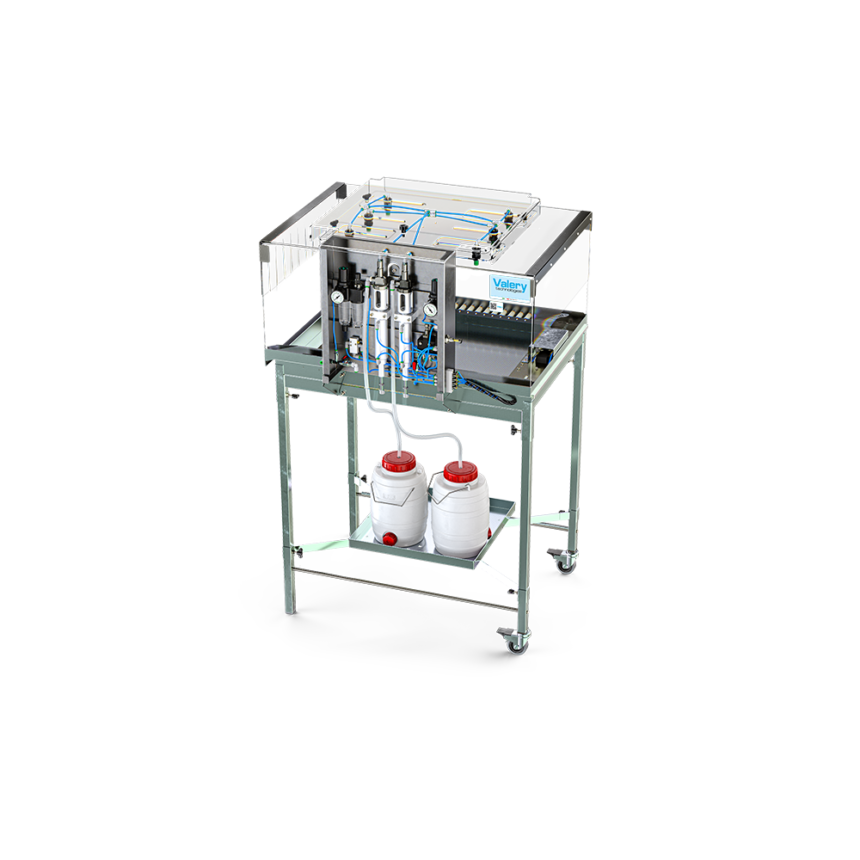
Vaccine administration methods: accuracy and efficiency
A vaccination plan is only as effective as the technology used to deliver it. In recent years, vaccination systems have developed more efficient mechanisms to ensure effective and safe vaccine delivery. In this way, they contribute to the control of viral respiratory diseases on poultry farms.
a) In ovo
In ovo vaccination allows the application of biologicals directly to the embryo (day 18 of incubation). It is mainly used for live vaccines against Marek’s disease, Gumboro and Newcastle disease. It has advantages such as reduction of post-hatch stress and immunological uniformity. However, its application requires millimeter precision to avoid embryonic lesions.
b) Subcutaneous
It consists of injecting the vaccine (inactivated or vectored) in the neck or between the skin and the muscle. It is the method of choice for breeders and layers to ensure long-lasting immunity.
Its advantages include precise dosing and an intense systemic immune response. On the other hand, it requires ergonomic equipment, controlled speed of administration, needle monitoring and constant doses.
c) Drinking water
The drinking water vaccination method is used for live vaccines, especially IBV and ND. It is a convenient and economical method, but it can have variations if the water is not homogeneous or if some birds do not drink enough. Prior fasting and water quality (no chlorine, adequate pH) are key to effectiveness.
You can also be interested: The importance of water in poultry production: how to achieve an efficient supply system?
d) Aerosol (spray)
The aerosol method of vaccination is direct application to the upper respiratory tract using fine droplets. Ideal for attenuated respiratory viruses. However, it requires equipment that ensures uniform distribution, constant pressure and optimal droplet size (30-80 microns, depending on the vaccine).

Giordano: injection systems that improve vaccination
The quality of vaccination depends not only on the biological product, but also on the equipment used to administer it. Giordano, an Italian company with decades of experience in poultry automation, has developed injection systems that guarantee precision, traceability and animal welfare during vaccination.
a) Dosis accuracy
Giordano Global equipment ensures that each bird receives exactly the indicated volume of vaccine, without variation. This is essential to avoid vaccination failures or overdosing, which can cause stress or adverse reactions.
b) Ergonomics and speed
The equipment is designed for long working days, with advanced ergonomics, light materials and robust structure. They allow high vaccination rates without sacrificing precision, ideal for plants with high production volumes.
c) Compatibility with different biologics
Whether for oily, vectored or live vaccines, Giordano offers adjustable settings to maintain the right viscosity and temperature during application. Its injectors allow easy change of needle size and adaptation to different production stages.
d) Easy and prolonged maintenance
The materials are resistant to disinfectants, require little maintenance and offer quick cleaning systems, guaranteeing hygiene and biological safety during vaccination campaigns.
e) Versatility in the field
From manual devices to automatic systems for incubation lines or hatcheries, Giordano offers a portfolio that adapts to different needs and production scales.
Conclusions
Viral respiratory diseases remain a constant threat to poultry production, especially in countries with high poultry density. The implementation of effective vaccination programs and the use of reliable application equipment are fundamental pillars to ensure biosecurity, animal welfare and the profitability of the production system.
Giordano provides poultry professionals with high precision injection technology designed to maximize immunological efficacy, minimize human error and adapt to the modern challenges of the industry. Investing in quality equipment is also a way to protect your poultry investment in the face of health challenges.


CATEGORIES
- Antibiotics
- Antioxidants
- Aquaculture
- Deodorizer
- Digestives
- Dissemination
- Enzymes
- Events
- Farm management
- Farm management
- Fats
- Feeding
- Flavorings
- Immunostimulants
- Microbiocide
- Mycotoxins
- Nutritionals
- Pathology
- Pharmacology
- Poultry Farming
- Preservatives
- Pronutrients
- Ruminants
- Swine
- Technology
It may interest you
Reduction of gases in pig farms: the role of natural additives in emission mitigation
Poultry Nutrition: the role of feed supply systems and their impact on sustainable production
Enterococcus cecorum: A Growing Challenge in Broiler Production

Biosecurity in egg handling: What recommendations to consider?
Cochlosoma in turkeys

Leave a Reply
You must be logged in to post a comment.