


The importance and role of 𝙇𝙖𝙘𝙩𝙤𝙗𝙖𝙘𝙞𝙡𝙡𝙪𝙨 in factory-farmed animals
Lactobacillus is a genus of Gram-positive, aerobic, or facultative anaerobic bacteria found naturally in the intestine of mammals and birds...

Broilers are one of the principal sources of animal protein worldwide. Pigs, for socio-cultural reasons, do not represent the same magnitude as a source of protein, but their importance is also highly relevant. Their production is based on intensive farming systems, where animals are exposed to various stress factors, such as high density, management, diet, and multiple infectious agents. These factors can alter the intestinal microbiota of the animals by different mechanisms, which can damage their health and productive performance.
Lactobacillus is a genus of Gram-positive, aerobic, or facultative anaerobic bacteria found naturally in the intestine of mammals and birds. These bacteria are considered intrinsic animal probiotics, i.e., live microorganisms that, when present in appropriate populations, provide health benefits to the host.
Role of Lactobacillus in the animal intestine
In broilers and pigs, Lactobacillus has several essential functions in the intestine, which affect the rest of the organism among them:
- Protects against pathogens: Lactobacillus produces antimicrobial substances, such as organic acids, bacteriocins and antimicrobial peptides, which can inhibit the growth of pathogenic bacteria.
- Improves digestion: supports the digestion of food by producing enzymes that break down nutrients into other nutrients that can be assimilated by the bird.
- Improves nutrient absorption: Lactobacillus increases the absorption of nutrients by producing substances that facilitate their transport through the intestinal wall.
- Improves immunity: this micro-organism stimulates the local immune system, preventing systemic diseases.
The intestine is a complex organ essential to nutrition absorption, digestion, and the body’s defence against infections. During the first few weeks of life, the development of the intestine is affected by multiple factors such as stress, diet, and gut bacteria. All the functions that Lactobacillus performs and described above enable it to contribute to the development of the intestine.
Therefore, promoting this bacterium, which is part of the animal’s intestinal microflora, benefits animal welfare and production efficiency.
Enhancement of Lactobacillus multiplication in the intestine
One of the challenges facing the animal industry is the use of broad-spectrum antimicrobials for controlling various diseases, which not only kill pathogens but also eliminate part of these beneficial microorganisms. However, the focus should be on regulating microbiota, with the limitation of pathogens, while promoting the growth and intestinal development of beneficial bacteria such as Lactobacillus, which has benefits such as the following:
- Improves production performance: by promoting the beneficial nutritional functions that this bacterium has for the animal, it increases weight gain, feed conversion, and production efficiency of broilers.
- Reduces the occurrence of disease: Lactobacillus can reduce the incidence of infectious diseases, such as colibacillosis, salmonellosis and coli overgrowth, due to the bacteriocins it produces and its contribution to local gut immunity.
- Improves meat quality: by increasing its protein and unsaturated fatty acid content due to better intestinal absorption of these compounds.
Animals frequently eat a wide variety of plant species only for nutritional purposes, i.e., animals feed on plants that meet their dietary requirements. On the other hand, animals instinctively ingest other plant species because they improve their intestinal well-being or because they regulate their microbiota. In recent years, we have focused our research on identifying those natural principles that can maintain the balance of the microbiota, control pathogens, zoonotic agents, emerging microorganisms, and promote beneficial species like Lactobacillus. These are pronutrients with a prebiotic effect, meaning they nourish the beneficial microbiota while reducing the growth of its harmful part.
These microbiota-regulating natural active ingredients have been evaluated in mammals and birds to observe their efficacy in controlling pathogens and promoting beneficial acidophilic flora.
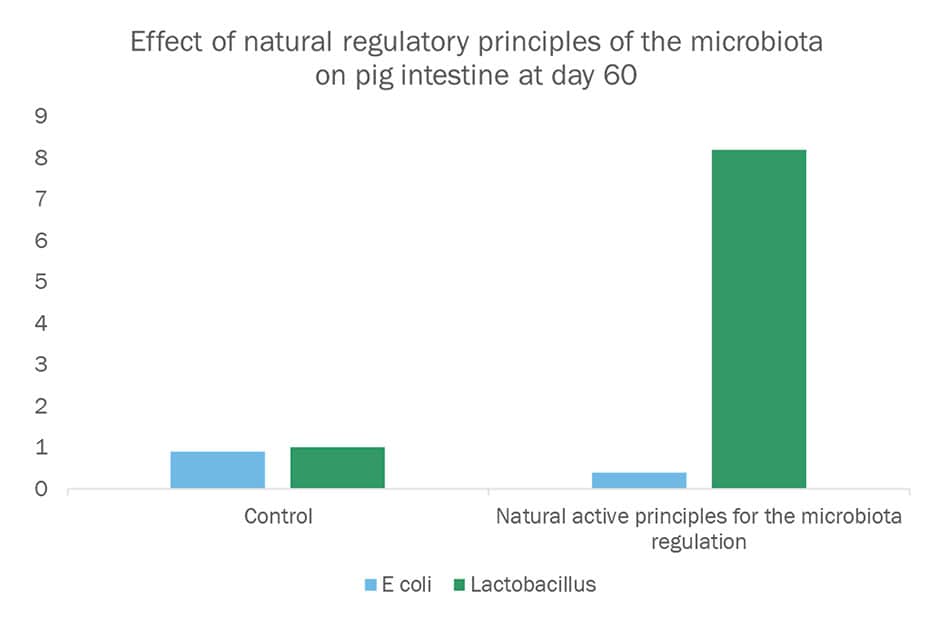
While E. Coli was decreased, Lactobacillus, an acidophilic flora microorganism that supports immunity and intestinal well-being, among other functions, was found to be increased.
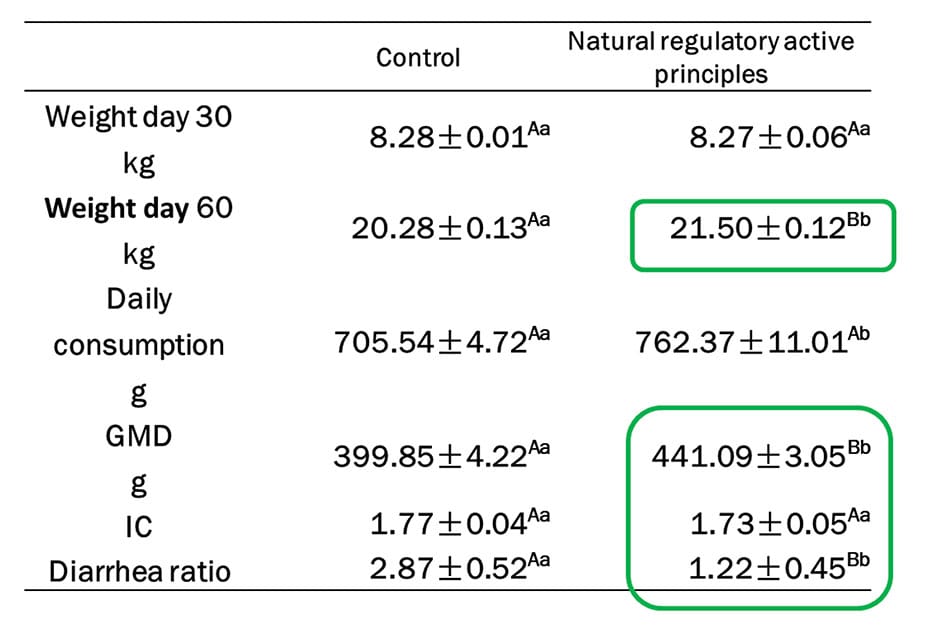
A positive correlation was observed between the regulation of E. coli and Lactobacillus and the most significant zootechnical measures, such as the rate of diarrhoea.
The same effect was evaluated in poultry and against Clostridium perfringens, one of the most significant pathogens affecting the poultry sector.
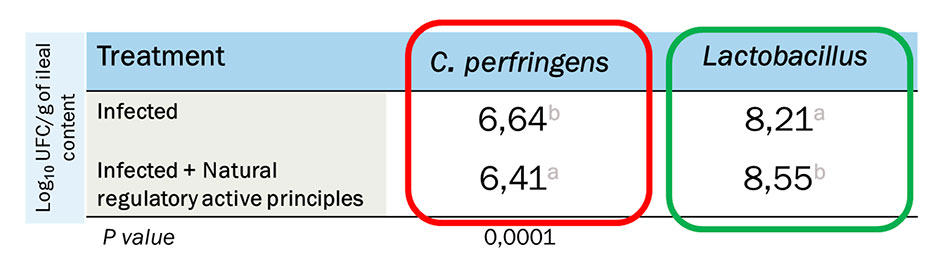
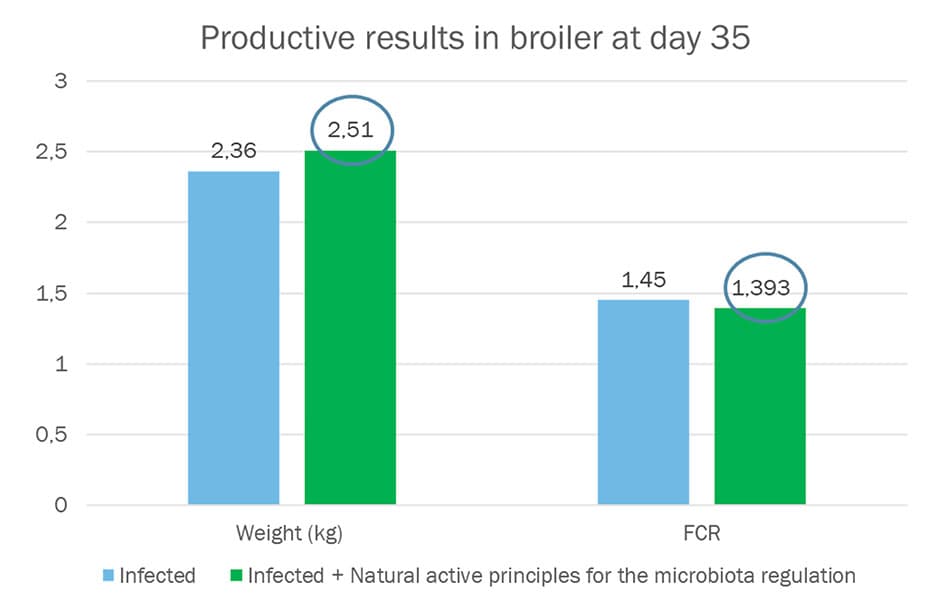
There was a statistically significant reduction of C. perfringens and an increase of Lactobacillus. As a result, primary production outcomes, including weight (kg) and slaughter conversion rate, improved.
Conclusions
Lactobacillus is a probiotic bacterium that performs a variety of essential functions in the intestines of animals, resulting in improved production performance, reduced incidence of disease, and improved meat quality.
In recent years, we have focused our research on identifying those natural principles that can maintain the balance of the microbiota, control the overgrowth of pathogens, and promote beneficial species such as Lactobacillus. A balanced microbiota provides adequate intestinal well-being with positive effects on production parameters.


CATEGORIES
- Antibiotics
- Antioxidants
- Aquaculture
- Deodorizer
- Digestives
- Dissemination
- Enzymes
- Events
- Farm management
- Farm management
- Fats
- Feeding
- Flavorings
- Immunostimulants
- Microbiocide
- Mycotoxins
- Nutritionals
- Pathology
- Pharmacology
- Poultry Farming
- Preservatives
- Pronutrients
- Ruminants
- Swine
- Technology
It may interest you
Viral respiratory diseases in poultry farming: How to prevent them with vaccination systems
Reduction of gases in pig farms: the role of natural additives in emission mitigation
Poultry Nutrition: the role of feed supply systems and their impact on sustainable production
Enterococcus cecorum: A Growing Challenge in Broiler Production
Biosecurity in egg handling: What recommendations to consider?


Leave a Reply
You must be logged in to post a comment.